Key takeaways
- All three areas share the same north to north-west wind. Long-term Windfinder averages are about 12 knots both at Hurghada airport and at El Gouna.
- Hurghada (Al Hilal, where our partner school is) is about 15 minutes from the airport. El Gouna is about 25 km north of town, Soma Bay about 45 km south of the airport.
- Every area has shallow, flat-water sections for lessons. In Soma Bay the wind is partly offshore at the main beach, so a rescue service is compulsory there.
- Pick the area by how you want to spend the week, not by a promise of more wind: no public long-term data shows one area to be clearly windier.
When people plan a kite trip to Egypt’s Red Sea coast, three names come up again and again: Hurghada, El Gouna and Safaga, with its kite area at Soma Bay. They lie on the same stretch of coast and share the same airport. So which one is “best”? The honest answer is that it depends less on the wind than you might think, and more on what you want from the week. Here is what we could check, and what we could not.
The short answer
If you want short transfers, a simple budget and a town with plenty to do on a calm day, Hurghada works very well. El Gouna suits people who like a resort town built around lagoons, with many kite centres in one place. Soma Bay, north of Safaga, is a quiet peninsula with hotels and a large shallow area, about 45 km from the airport. All three are ridable all year with the same northerly wind.
Where they are
- Hurghada: the airport is in the city. Our partner school is on the beach of Sea Star Beau Rivage in Al Hilal, about a 15-minute drive from the airport.
- El Gouna: a resort town about 25 km north of Hurghada. Its official site says it is less than 40 minutes from the airport.
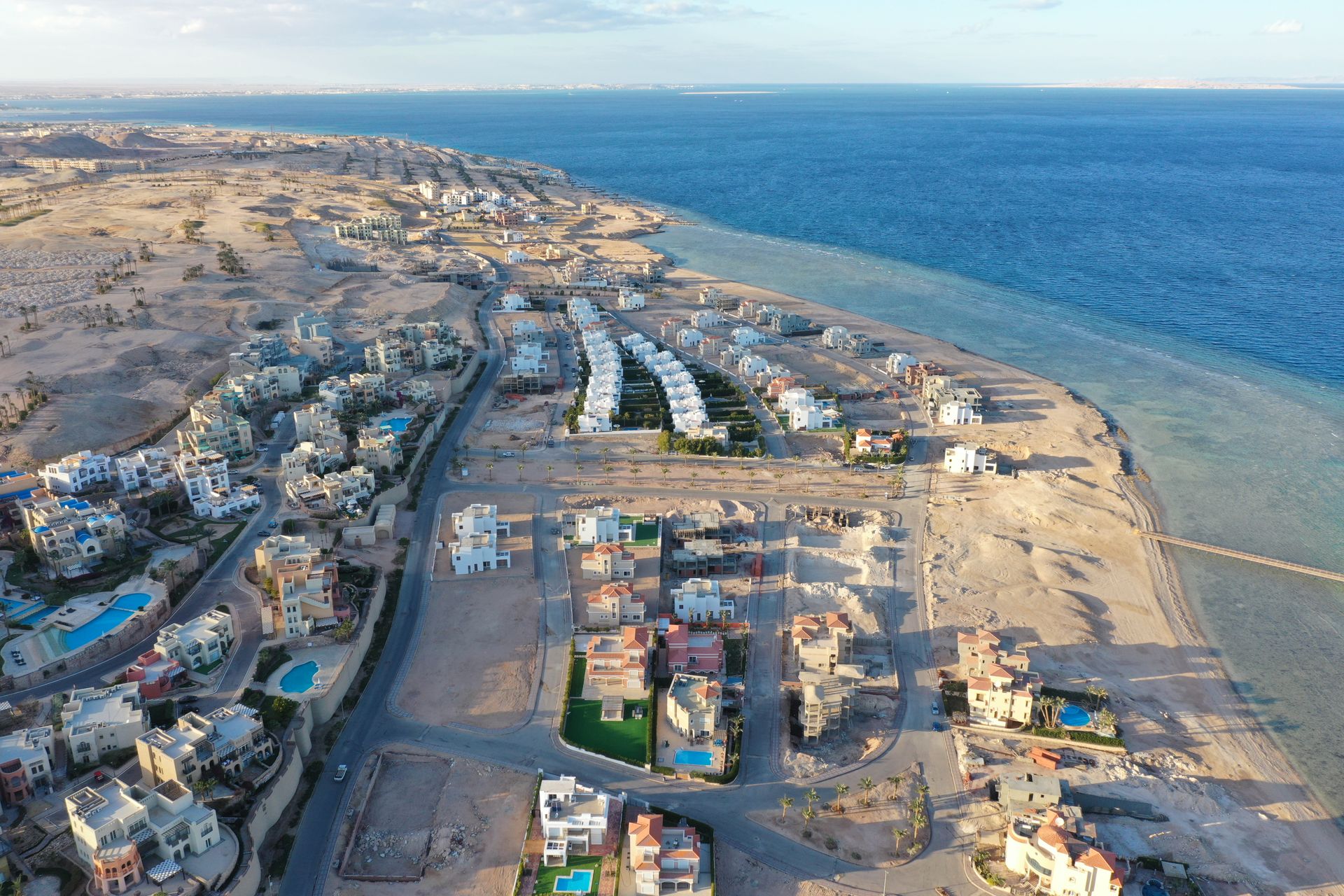
- Soma Bay: a peninsula about 45 km south of the airport, on the road towards Safaga. Safaga town itself is about 60 km from Hurghada by road.
The difference matters most on arrival day and when you want to go out in the evening. From Al Hilal you can be on the beach the same afternoon you land. From Soma Bay, a trip into Hurghada is a drive of close to an hour each way.
Wind: what the data says
Windfinder publishes long-term statistics from weather stations. The Hurghada Airport station (observations from 2000 to 2026) shows an annual average of about 12 knots, mostly from the north-north-west. The El Gouna Kiteboarding Club station (2006 to 2026) shows the same: about 12 knots from the north-north-west. These are 24-hour averages, so they include calm nights; the daytime riding wind is usually stronger.
For Safaga, Windfinder shows no long-term station statistics, only forecast data. Some kite guides say Soma Bay gets more wind than the neighbouring spots. That may be true on many days, but we have not found long-term station data that confirms it, so we would not plan a trip around it.
Water and conditions for learning
Hurghada
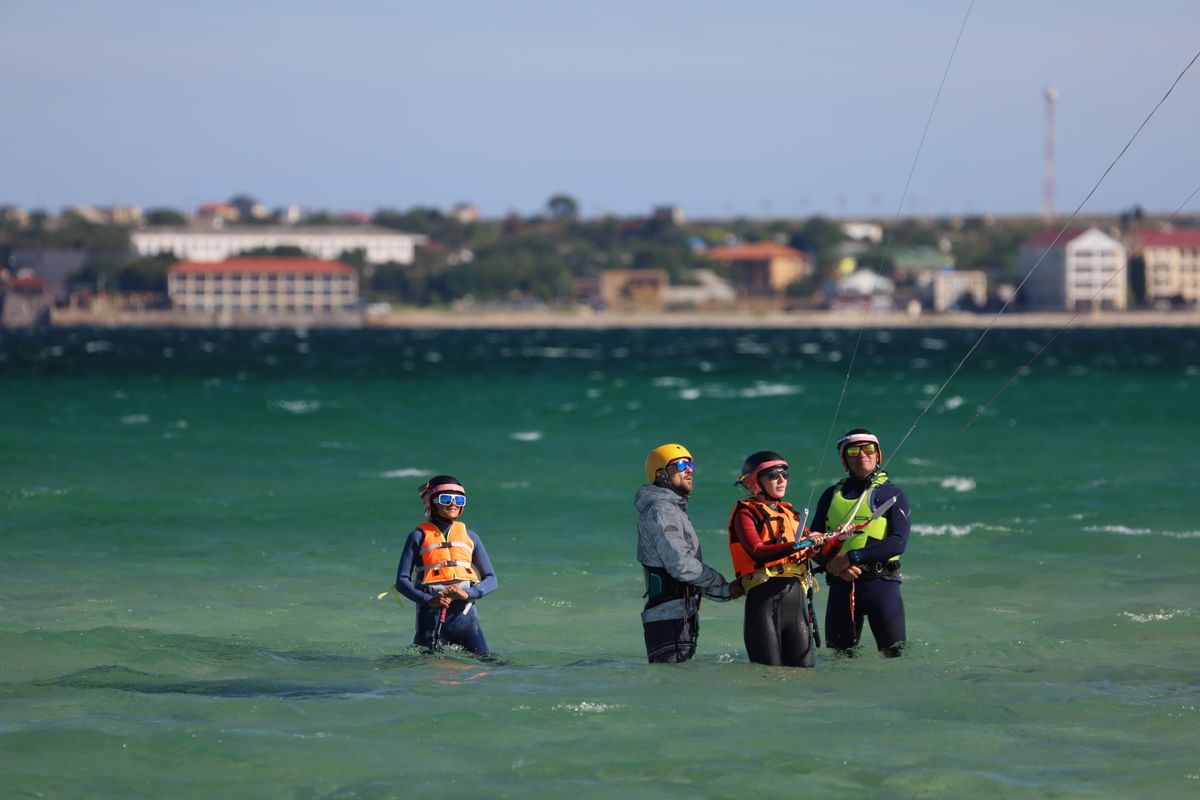
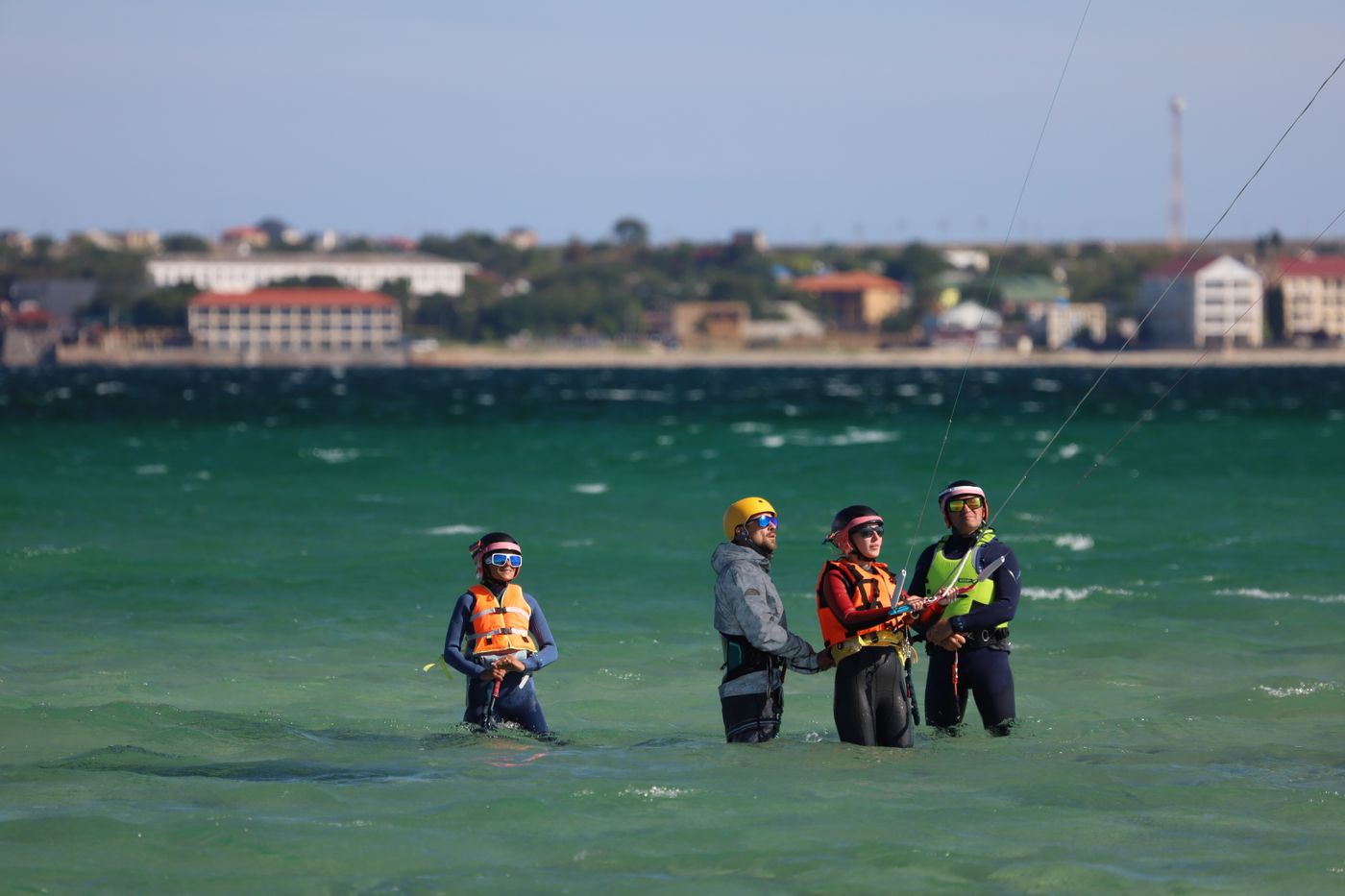
Kite guides for Hurghada describe several spots along the coast, from shallow lagoons with flat water in the north to areas that get deeper and choppier further out. The water is tidal: at low tide some places become knee-deep. At Al Hilal, lessons take place in shallow, flat water where you can stand up at any moment, with a rescue boat on standby and radio helmets for students.
El Gouna
El Gouna is built around lagoons, and kite guides describe several of them: some with flat water, others choppier. The town’s official site lists seven kite centres, several with large shallow teaching areas. The wind there is described as cross- to onshore from the north, which is comfortable for learning.
Soma Bay and Safaga
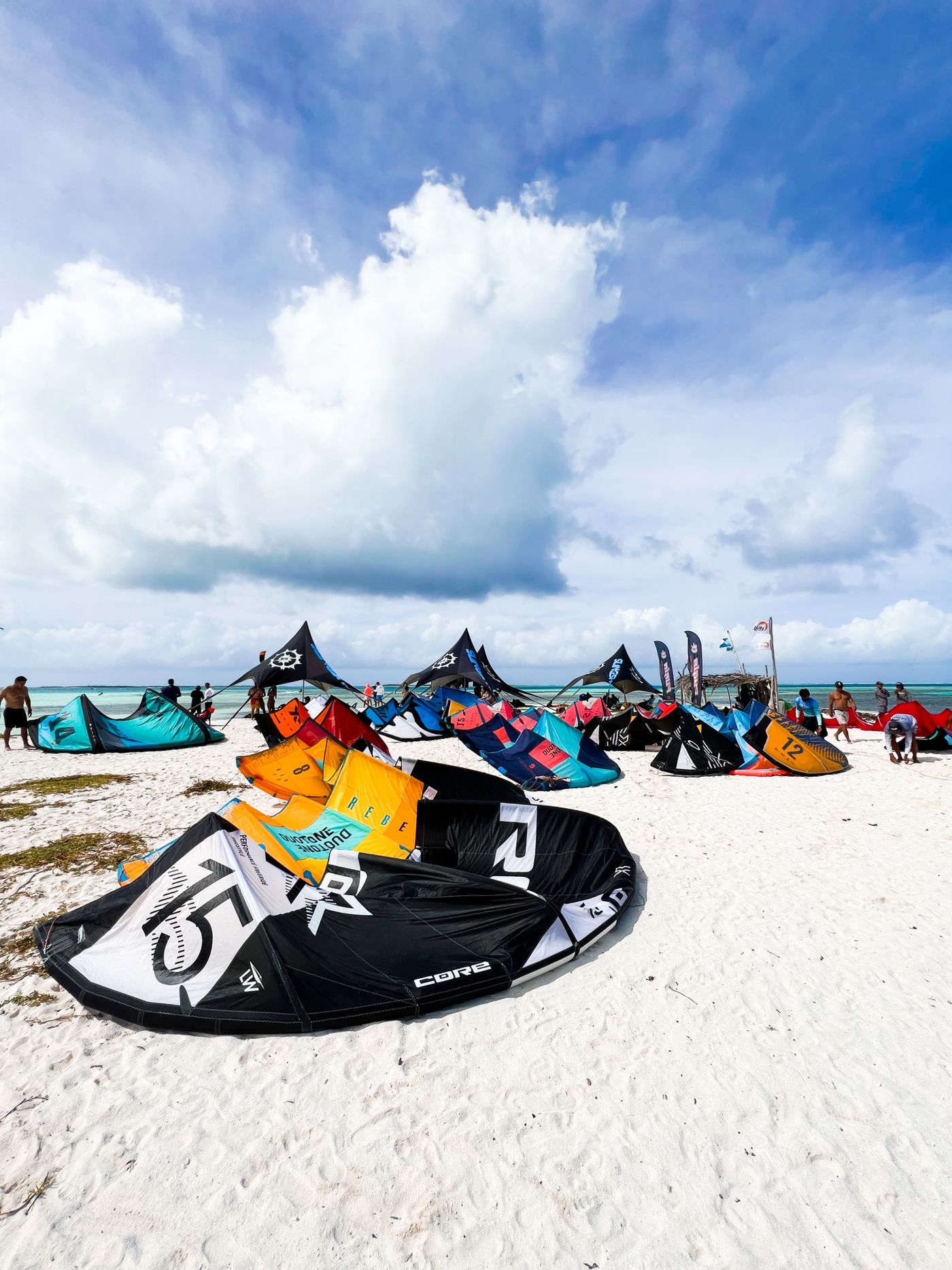
Soma Bay has a large shallow lagoon with flat to slightly choppy water, and guides rate it for all levels. Two points are worth knowing. First, at the main beach the wind is partly offshore, so a beach and boat rescue service is compulsory. Second, the shallow areas have coral in places, and each school has its own teaching zone that experienced riders should keep out of.
Rules that apply everywhere
- Ride only where the local school or kite centre allows it, and respect the teaching zones.
- One kite guide for Hurghada states that kiting after 5 pm is not allowed under Coast Guard rules. Rules can change, so ask your school on the first day.
- Ask about rescue: is there a boat, and what does it cost? In our courses a rescue boat is on standby for every session.
- Watch the tide. In shallow lagoons the water level changes during the day, and so does the best area to ride.
How to choose
- Short trip or first time: Hurghada. The short transfer gives you more time on the water, and the town makes calm days easy to fill.
- You want many kite centres and a resort town on the water: El Gouna.
- You want a quiet hotel week on a peninsula and do not mind a longer transfer: Soma Bay.
- You already ride and like variety: stay in one place and take a day trip — El Gouna is about 25 km from Hurghada.
We work in Hurghada, in the Al Hilal district, so this is the area we know best. You can see the school, the courses and the rooms nearby on the Courses and Stays pages, and the live wind on the Conditions page.
What a week in Hurghada costs
A beginner week with a 9-hour group course (about €290), 7 nights at Al Dora Residence with breakfast (about €70 per room per night, two sharing) and a return airport transfer (about €50 per car) comes to about €560 per person before flights. If you already ride, gear rental is about €75 a day or €400 a week. All prices are indicative partner prices, paid on the spot.