Key takeaways
- Hurghada has wind all year: long-term 24-hour averages sit between 11 and 14 knots, mostly from N/NNW.
- June, August and September are the windiest months on average; spring and autumn pair good wind with comfortable heat.
- Daytime riding wind is usually stronger than the 24-hour average and often builds from late morning.
- Winter is ridable but cooler — about 19–21 °C air and 21–23 °C water — so bring a full wetsuit.
Hurghada is one of the most reliable kite spots within a few hours’ flight of Europe. The wind comes from the north on most days, the water inside the bays is flat to lightly choppy, and the season never really closes. What changes through the year is how strong the wind is, how hot it gets and how warm the sea feels.
The short answer
If you want the most wind, go between June and September. If you want good wind without the summer heat, aim for March to May or October to November. December to February still works, especially for lessons, but pack a thicker wetsuit and a jacket for the evening.
Month by month
The chart shows long-term averages for each month. Switch between wind, air and sea temperature to compare.
Winter: December to February
Around 11 knots on average, air near 19–21 °C and the sea at 21–23 °C. Fewer people on the water and soft light. Lessons run as normal; experienced riders may want a bigger kite on some days.
Spring: March to May
The wind builds from 12 to 13 knots while the air warms from 24 to 31 °C. For many riders this is the sweet spot: steady sessions, warm days and nights cool enough to sleep well.
Summer: June to August
The windiest stretch, with averages of 13–14 knots and the strongest afternoon breeze. It is also hot — 34–35 °C in the day — so ride in the morning and late afternoon, and drink more water than you think you need.
Autumn: September to November
September still averages 14 knots with some of the warmest water of the year, around 27 °C. October and November ease to 11–12 knots with pleasant air temperatures — a good window for learning.
Pick the month for the heat and water you enjoy. The wind is there all year.
Why the wind is so steady
The Red Sea is a long channel between desert mountains. Air funnels along it from the north, and on sunny days the hot land adds a thermal boost, so the breeze often strengthens from late morning into the afternoon. The direction hardly changes through the year: north to north-northwest.
What to wear in the water
- December to March: a 4/3 or 5/4 mm full wetsuit, plus a windproof layer on the beach.
- April, May and November: a 3/2 mm full suit or a long-sleeve shorty.
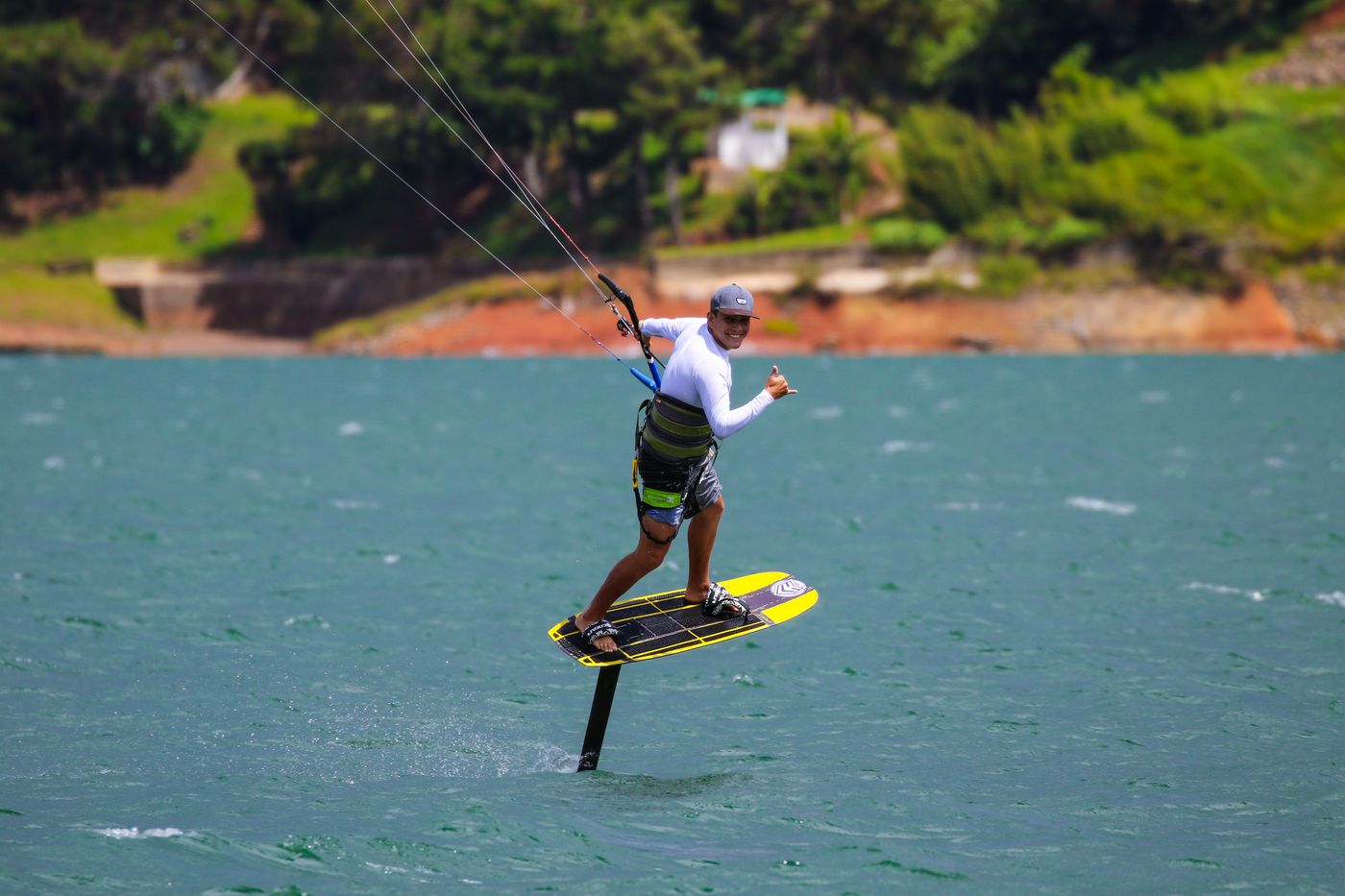
- June to October: a shorty or lycra with board shorts — sun protection matters more than warmth.
Choosing your dates
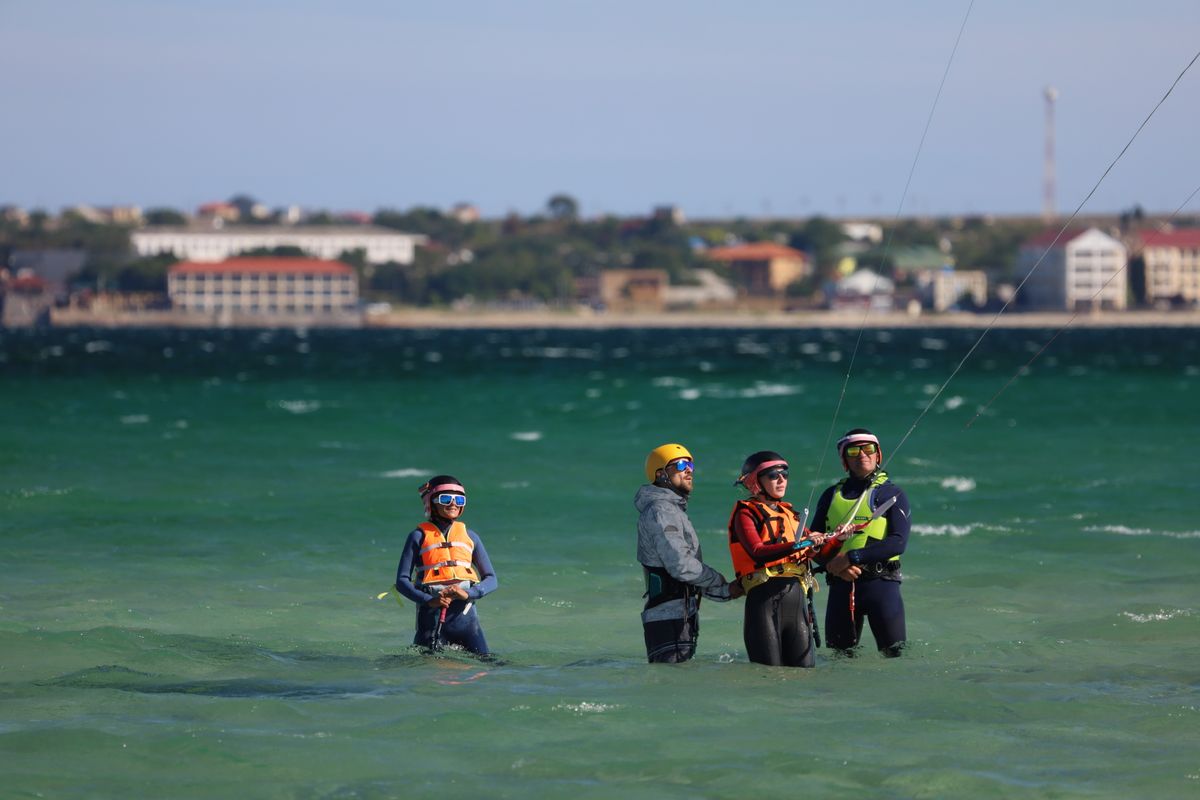
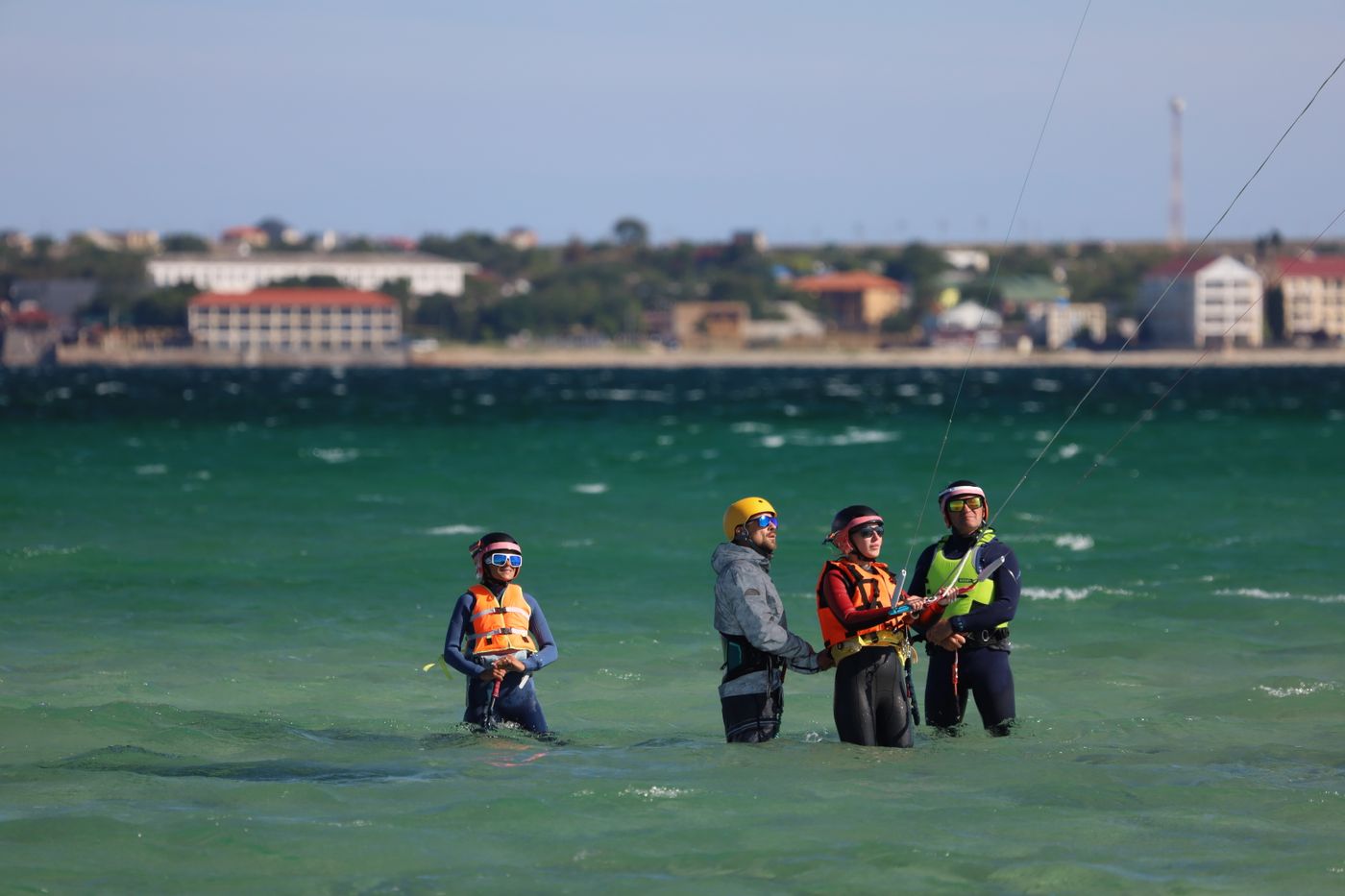
Lessons run 2–3 hours a day, and most beginner courses fit into three to five days. A full week leaves spare days in case one is light. On light days the school switches to wing foil, windsurf or SUP, and lessons move to the windiest hours.
- First lessons: spring or autumn — enough wind, not too hot.
- Progressing: June to September for more powered sessions.
- Warmest water: July to October, around 26–28 °C.